Ask Spine Surgeons is a weekly series of questions posed to spine surgeons around the country about clinical, business and policy issues affecting spine care. We invite all spine surgeon and specialist responses.
Next week’s question: What are some of your favorite activities/hobbies?
Please send responses to Anuja Vaidya at avaidya@beckershealthcare.com by Wednesday, July 15, at 5 p.m. CST.
Question: What technological upgrades will become a must in spine practices over the next few years?
Howard An, MD, Directo r, Division of Spine Surgery, Spine Fellowship Program, Rush University Medical Center, Chicago: The majority of patients who are undergoing surgery are well informed and ask good questions about the surgical procedure and postoperative recovery. Many spine surgical procedures are becoming less invasive and surgeons should be keeping up with this progress over the next few years. There are less invasive or minimally invasive alternatives for decompression, fusion and even spine deformity surgery. Some of these procedures need more research for validation, but this trend will continue and technological upgrades, such as intraoperative imaging, surgical equipment and implants, should be incorporated in spine care.
 Kern Singh, MD, Minimally Invasive Spine Institute, Chicago: Electronic medical records that allow for patient outcome tracking. Insurers and patients are demanding a high level of sophistication when it comes to patient outcome measures in order to validate the efficacy of surgery and to justify to payers what we do as spine surgeons to improve their quality of life.
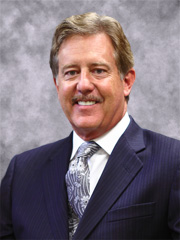
Kenneth Pettine, MD, Founder, The Spine Institute, Johnstown, Colo.: I think the best answer to that is utilizing biologics to treat discogenic back pain and cervical problems. The FDA has made it clear that anything other than the use of bone marrow concentrate has FDA issues, thus utilizing biologics derived from placenta, umbilical cord, amniotic fluid or adipose will be shut down. However, the use of bone marrow concentrate cannot have FDA issues otherwise every cell saver in the United States would be outlawed along with autogenous blood donation.
 William Taylor, Director, Spine Surgery, Vice Chairman, Division of Neurological Surgery, University of California, San Diego: Both navigation and endoscopy must become routine. Navigation will make surgery safer and easier for patients while reducing complications. Endoscopy will function in continued evolution as our procedures become more focused.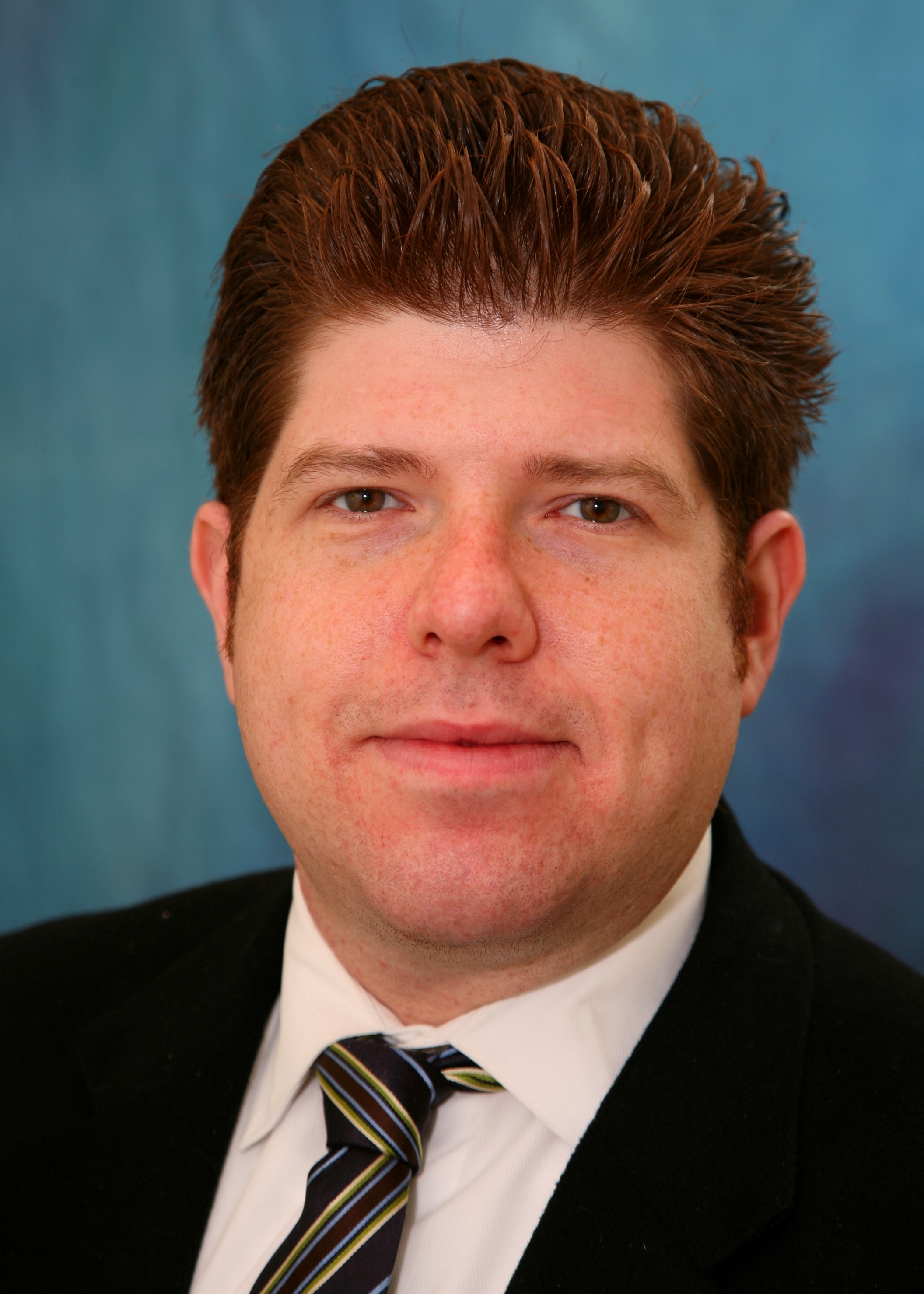
Brian R. Gantwerker, MD, The Craniospinal Center of Los Angeles: An electronic fax machine and high-speed scanner.
More articles on spine:
Survival after spinal metastases surgery — 5 key notes
5 key notes on cervical spinal cord injury treatment delays
5 notes on Precision Spine’s two new board members
Normal
0
false
false
false
MicrosoftInternetExplorer4
At the Becker’s 32nd Annual Meeting: The Business and Operations of ASCs, taking place October 29-31 in Chicago, ASC leaders, surgeons and healthcare executives will explore strategies to drive growth, enhance operational performance, navigate reimbursement challenges and prepare for the future of ambulatory surgery. Apply for complimentary registration now.