
Question: Where is reimbursement headed?
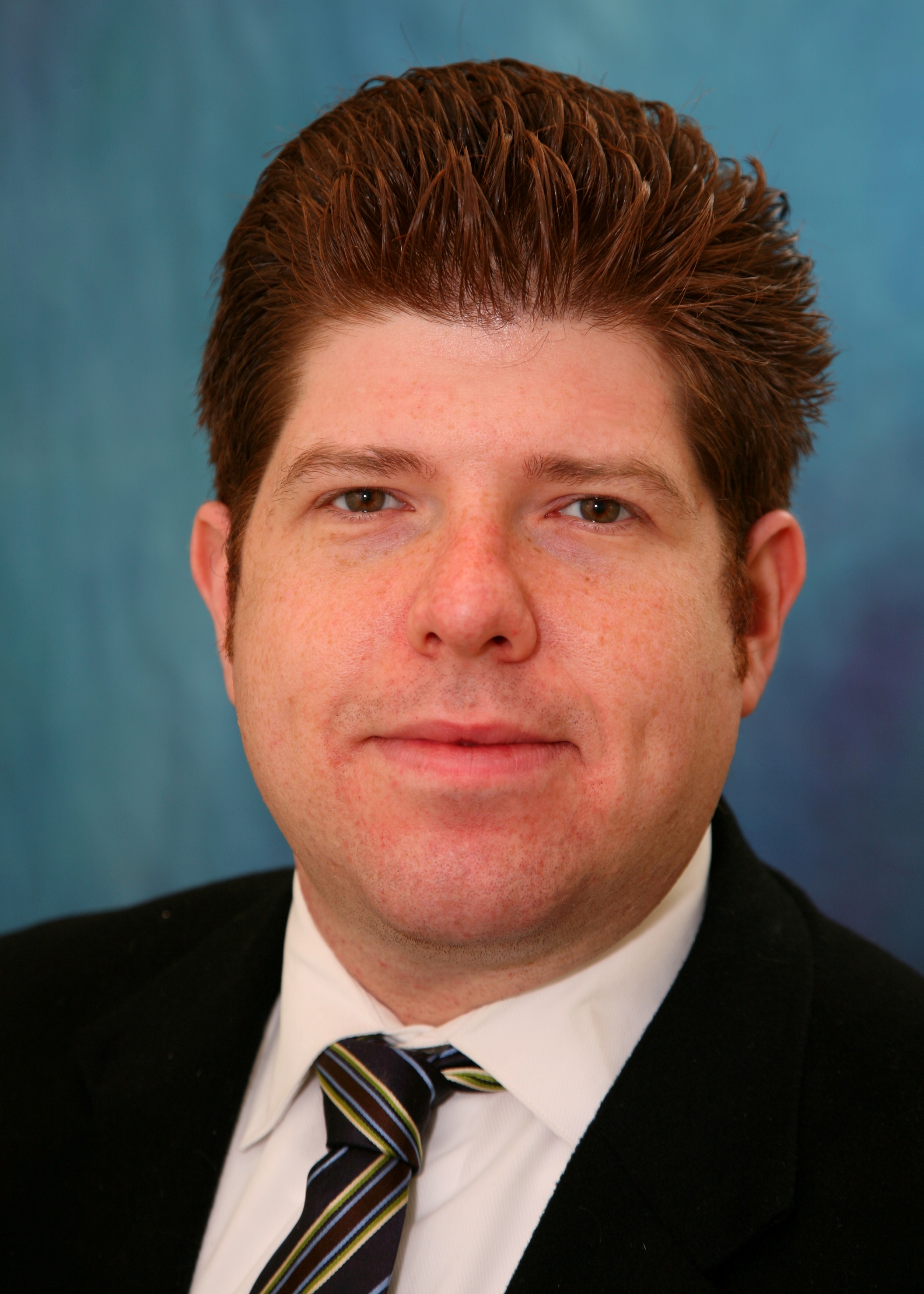
Brian R. Gantwerker, MD, The Craniospinal Center of Los Angeles: Most likely down. I think the complexity of spinal pathology management remains misunderstood and is generally negatively viewed by the payer community. In turn, they believe what is done by spine surgeons is not necessarily unique or worth the rates at which we charge. Payers are out to maximize profit, and there are only two ways that can be done — raise premiums and decrease payouts and reimbursement.
 Jeffrey Wang, MD, Chief, Orthopedic Spine Service, Co-Director, USC Spine Center, Keck Medical Center of USC, Los Angeles: I believe most spine surgeons see that reimbursements will decline. This is what has happened on a regular basis over the past many years in medicine as a whole, and spine surgeons will need to be prepared. Our strategy in our spine center has been to work with our hospital to become as efficient as possible, and to optimize our patient treatment pathways, try to standardize our operative instrument trays. We are looking to improve our overall workflow while decreasing our costs and yet improving our outcomes. We believe efficient care is less costly.
A. Nick Shamie, MD, Chief of Orthopedic Spine Surgery, David Geffen School of Medicine at UCLA: Reimbursements are shifting from physicians to accountable care organizations, hospitals and surgicenters. More physicians will want to join and control these organizations by taking part in administrative roles.
More Articles on Spine:
Hospital for Special Surgery Names Dr. Todd Albert Surgeon-in-Chief
Costs for SI Joint Disruption, Sacroiliitis About $270M Over 5 Years
The Robotic Difference: How New Technology Could Impact Spine
At the Becker’s 32nd Annual Meeting: The Business and Operations of ASCs, taking place October 29-31 in Chicago, ASC leaders, surgeons and healthcare executives will explore strategies to drive growth, enhance operational performance, navigate reimbursement challenges and prepare for the future of ambulatory surgery. Apply for complimentary registration now.